
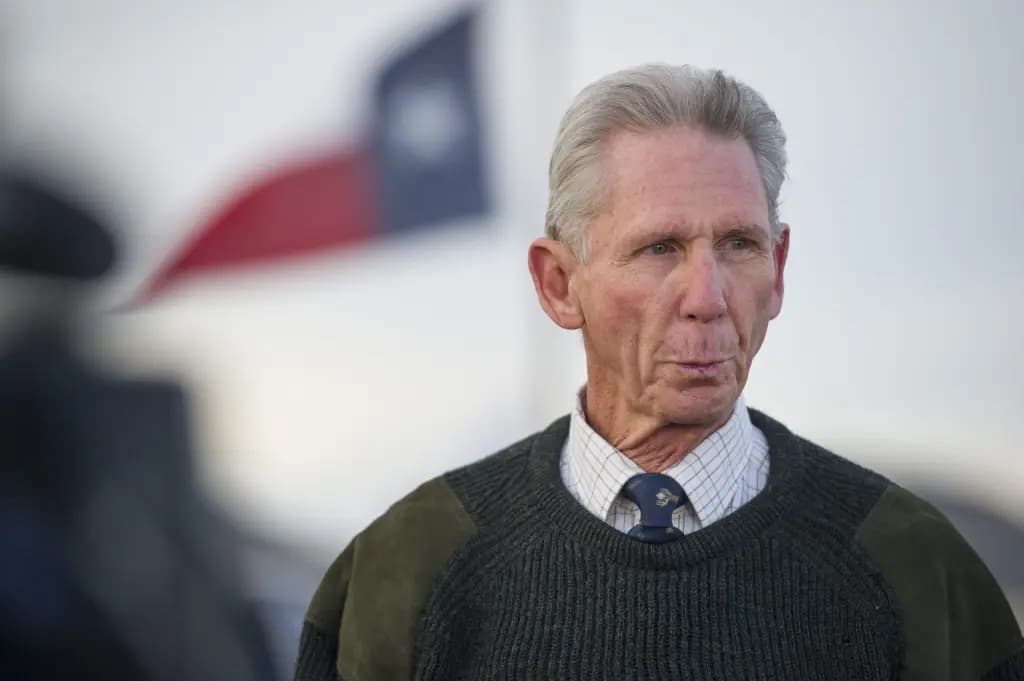
With no children or heirs to leave his fortune to, one billionaire has decided to sink a large share of it into an unlikely place: a nearly forgotten Texas town with a population hovering around 25 people. Rather than routing his wealth through a conventional foundation or a scattershot list of charitable causes, he has chosen to concentrate it geographically, treating the town itself as the project.
The effort reportedly includes buying up buildings and land in and around the town, restoring or rebuilding parts of its main street, and funding the kind of basic infrastructure that small, shrinking communities in rural Texas have struggled to maintain for decades as younger residents move to cities for work. The goal, according to people familiar with the plan, is less about turning the town into a tourist attraction and more about proving that a place written off as dying can be stabilized with enough sustained investment.
The situation reflects a broader question increasingly facing ultra-wealthy individuals without direct heirs: what to do with a fortune that has no obvious inheritor. Some route their money into traditional philanthropy through large foundations with broad mandates, while others, like this billionaire, are choosing hyper-local, hands-on projects where they can see the tangible effect of their giving in a single community rather than diffusing it across a wide portfolio of causes.
For the roughly two dozen residents who still call the town home, the sudden interest brings both opportunity and uncertainty. Renewed investment could mean new jobs, restored buildings, and a lifeline for a place that has spent decades shrinking. But it also means their small, quiet community is now tied to the fortune and the whims of a single person, a dynamic that raises its own questions about what happens to the town once the money, or its owner, eventually moves on.