
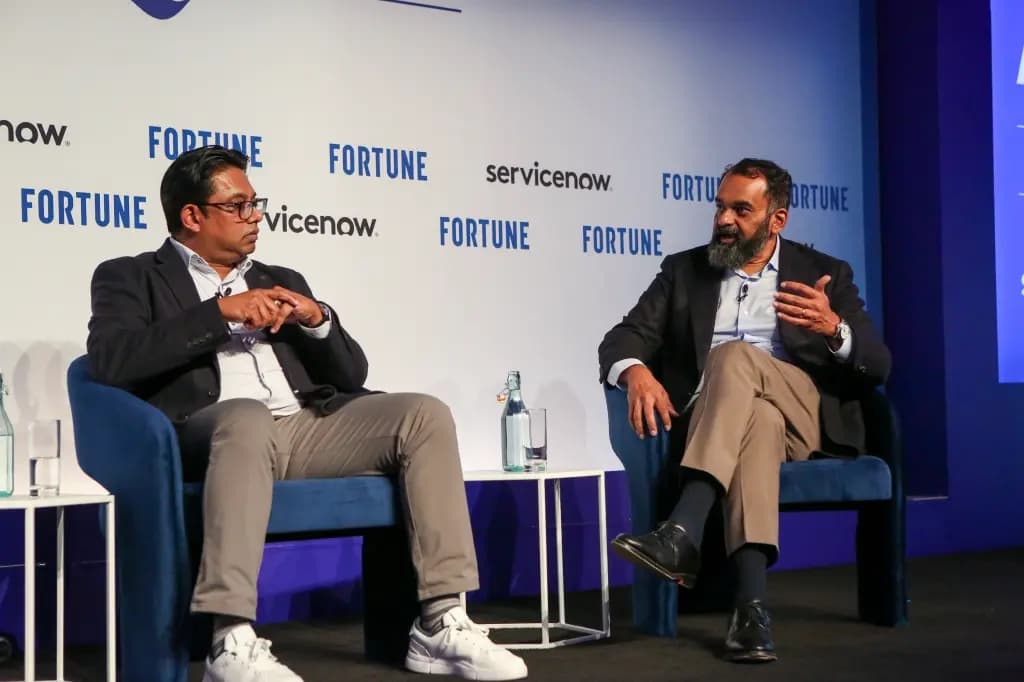
Executives from Honeywell and Ecolab pushed back on one of the AI boom's most repeated assumptions at a recent Fortune conference: that artificial intelligence is automatically cheaper than paying a human to do the same job. In practice, they said, deploying AI well enough to actually replace a skilled worker's judgment often costs more once licensing fees, integration work, and the specialized talent needed to run it are added up.
The gap shows up most clearly in industrial and operational roles, where AI tools still need significant human oversight to catch errors, interpret ambiguous situations, and handle exceptions that fall outside their training. Rather than a clean swap of software for salary, companies are finding they need to pay for both: the AI system itself, and the people who manage, correct, and improve it, which can erase much of the expected savings.
That reality is reshaping how large industrial and chemical companies are rolling out AI internally. Instead of chasing headcount reduction as the primary goal, executives described focusing AI investment on tasks where it reliably beats human speed or consistency, like processing routine data or flagging anomalies in large datasets, while keeping people in roles that require judgment, troubleshooting, or direct customer interaction.
The comments add a dose of realism to a narrative that has driven aggressive AI spending across corporate America, where many companies have justified big technology budgets on the promise of lower long-term labor costs. If AI deployment at scale is proving more expensive than advertised for some of the country's largest industrial employers, it raises the question of how many other companies are underestimating the true cost of the AI transition they're racing to complete.