
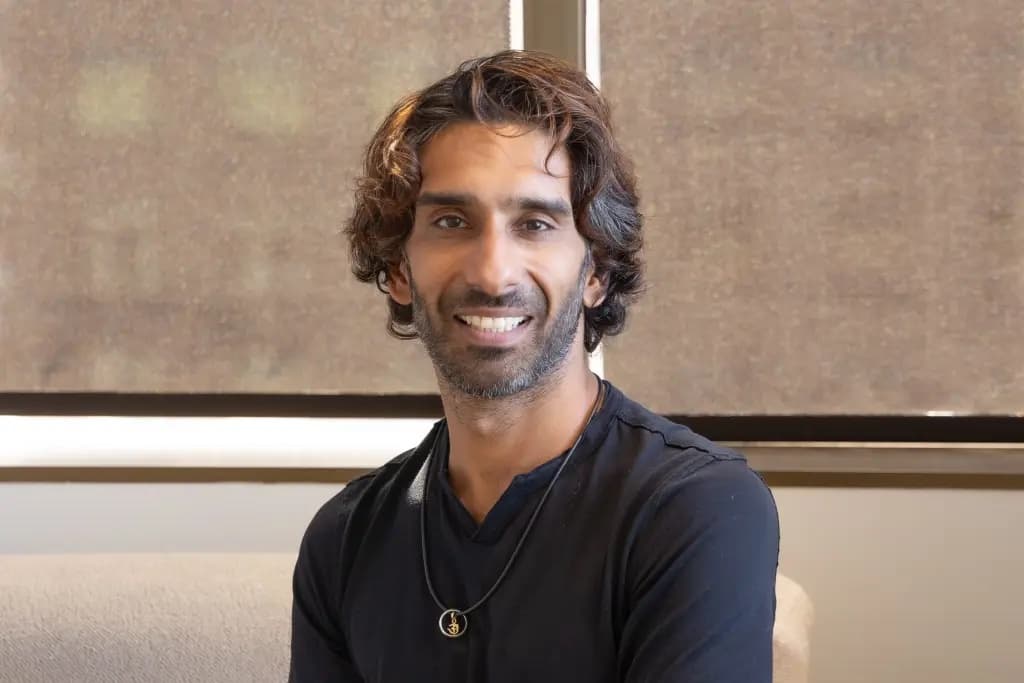
Rahul Vohra had already had one successful exit before most founders get their first: LinkedIn acquired his earlier startup, Rapportive, in a deal that made him a multimillionaire in his twenties. By most measures, that should have been the hard part behind him. Instead, he says the real strain came after, while building what Rapportive's success let him start next.
That next company was Superhuman, the premium email client that built a cult following among tech executives and became known as much for its waitlist and onboarding calls as for its product. Growing it into a business now valued at roughly $825 million took a toll that Vohra has described candidly: the stress of running the company eventually landed him in the hospital, a jarring reminder that a successful first exit doesn't make the second company any easier to build.
Vohra has been unusually open about that period, using it to talk publicly about founder burnout in an industry that tends to celebrate relentless hustle while staying quiet about its physical cost. His account adds to a growing body of founder stories acknowledging that financial success and personal wellbeing don't automatically move together, even for someone who had already proven he could build and sell a company once.
Superhuman's climb to an $825 million valuation also reflects a broader trend of premium, subscription-priced productivity tools finding a durable market among professionals willing to pay more for speed and polish, even as free alternatives from larger tech companies remain widely available. Vohra's experience, equal parts financial win and personal warning, has become something of a touchstone for founders navigating the same tension between scaling fast and staying standing while they do it.