
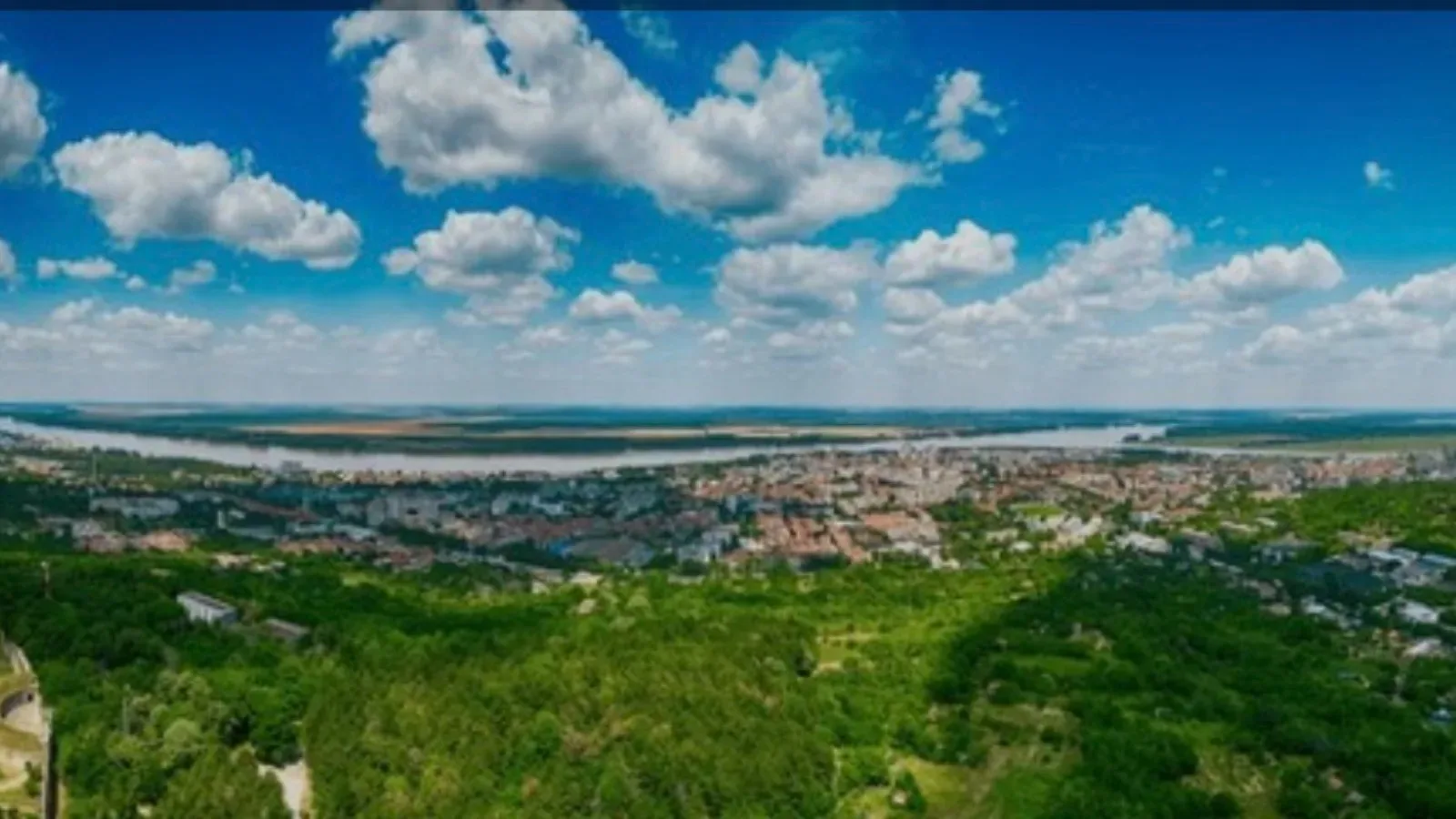
A Danube industrial park identifies clean technologies among its target industries.
Silistra’s investment proposition extends beyond traditional heavy industry. Alongside mechanical engineering, electronics and logistics, the municipality hopes to attract businesses working in clean technologies. 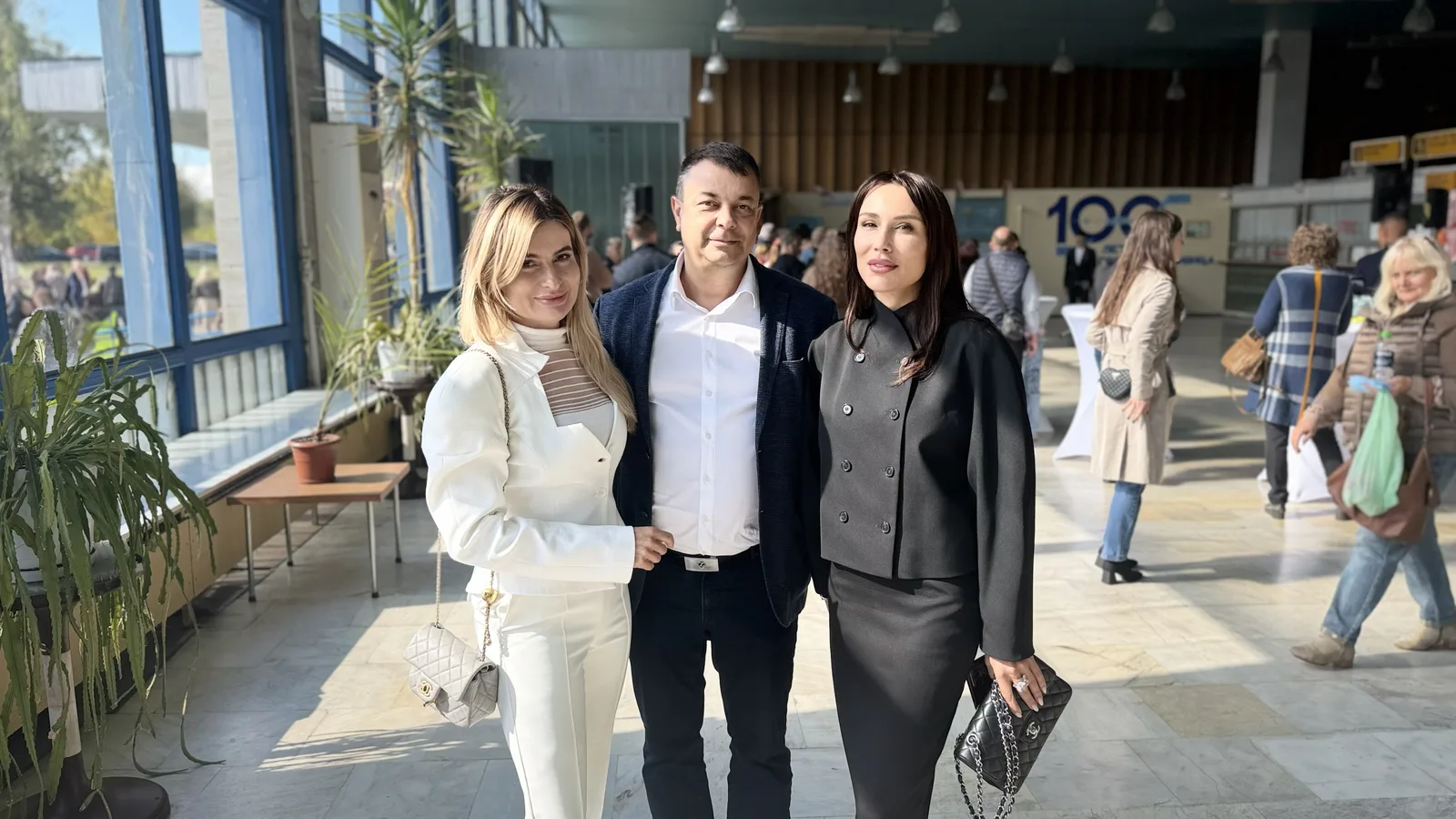 The former Siloma site covers 378,000 square metres earmarked for redevelopment. Mayor Aleksandar Sabanov’s concept combines industrial facilities with offices and social infrastructure, envisioning a modern business environment rather than a conventional factory compound. For clean-technology companies, however, key considerations will include grid capacity, environmental permits and access to specialist suppliers.
 The available material does not identify a confirmed clean-technology tenant or a specific project output. The more compelling story is therefore one of strategic direction: whether a regional city can create the conditions needed to attract a new generation of industrial businesses. The coming years will reveal whether the ambitions outlined by local officials translate into sustained economic activity.
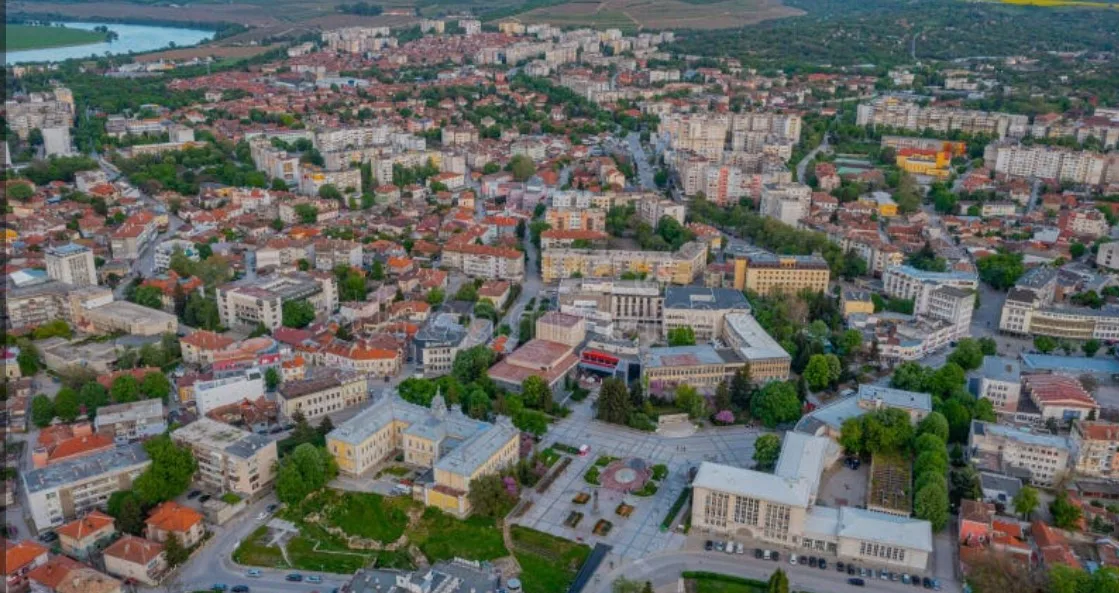 For now, the initiative illustrates how regional authorities are seeking to attract new partners and investment. The wider European context matters. Regional cities increasingly compete on institutional reliability, workforce availability and the ease of connecting suppliers with customers. A compelling story can attract attention, but investment decisions ultimately depend on measurable operating conditions.
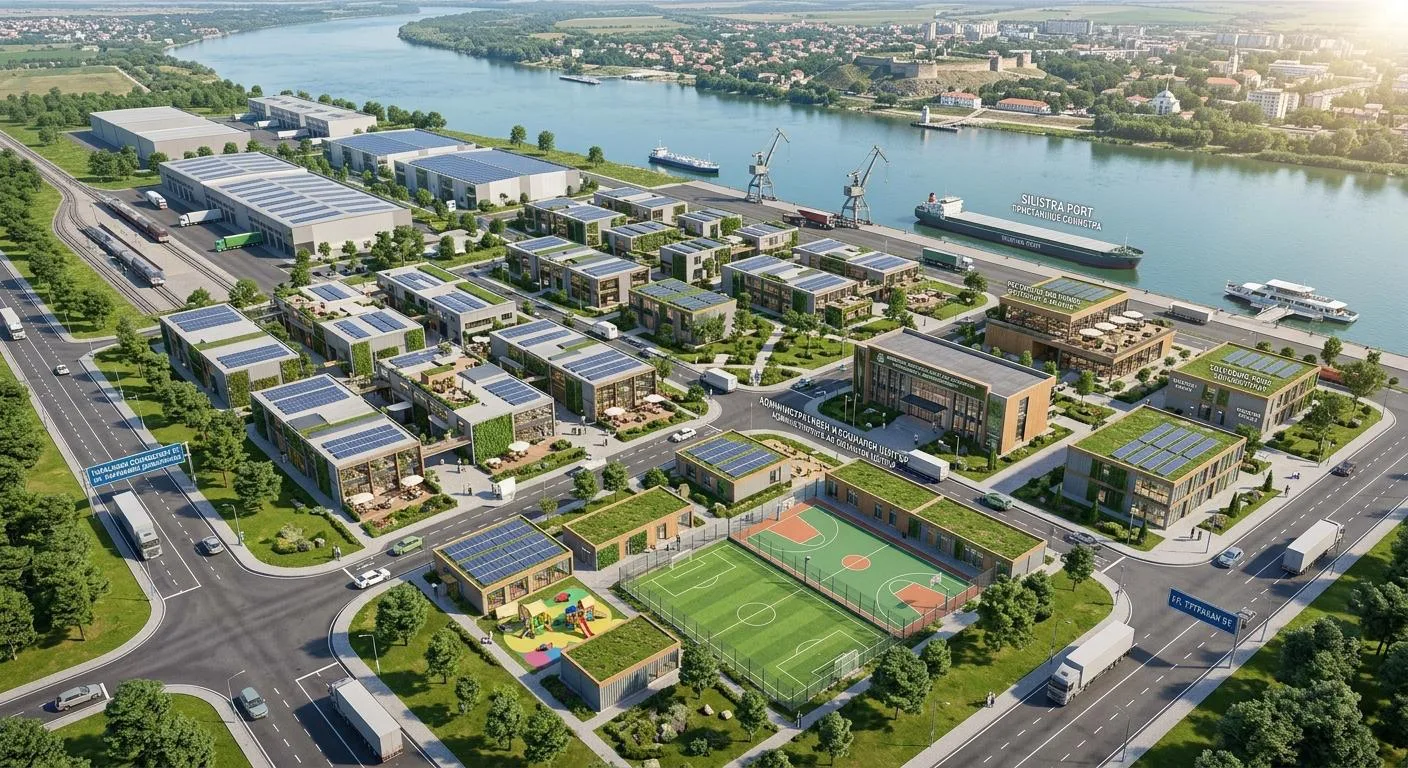 The project’s next stages will shape how it is ultimately judged. Clear milestones and independently verifiable results will matter far more than the scale of a launch event. For now, the initiative merits attention precisely because its long-term impact is still to be demonstrated.