Meta's AI Spending Commitments Hit $825 Billion, and Investors Aren't Thrilled
A quarterly filing shows Meta's future spending obligations, mostly tied to AI infrastructure, have jumped to $825 billion from $700 billion in just three months, and the stock sold off on the news.
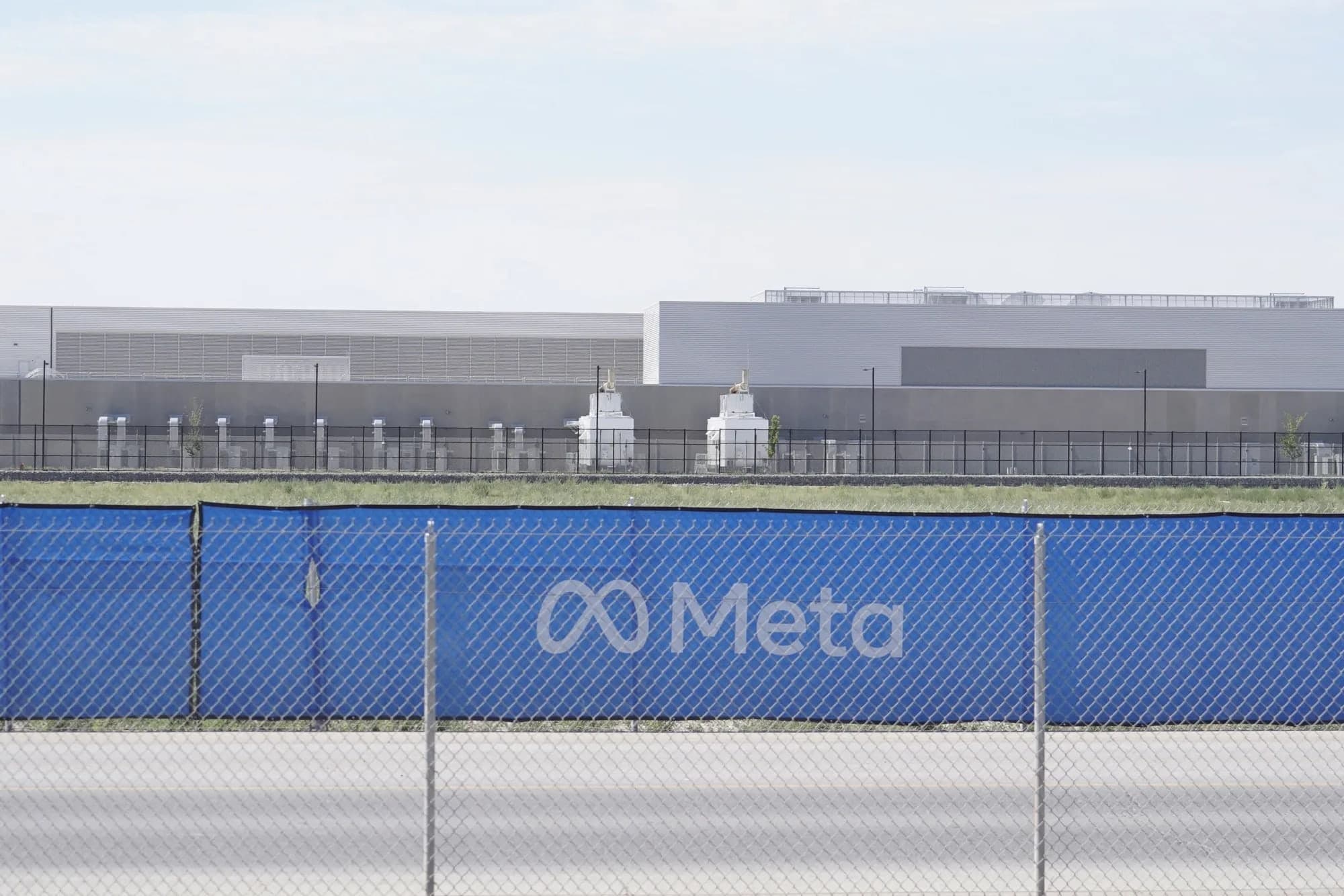
Meta disclosed in a quarterly filing on October 22 that its future spending commitments, mostly tied to AI infrastructure, have climbed to roughly $825 billion, up from about $700 billion just three months earlier in July. The total splits into $355.73 billion in leases that haven't started yet and $454.52 billion in non-cancelable contracts, with $121.41 billion of that coming due in 2027 alone. The obligations cover rented cloud capacity, servers, networking hardware, data center energy supply, and hardware for its Reality Labs division.
The disclosure came alongside third-quarter results showing revenue up 26% to $64.6 billion, but quarterly capital spending of $34.91 billion pushed free cash flow negative to $2.12 billion, and GAAP earnings per share came in at $3.83, well short of the $5.46 analysts had expected, partly because of a $9.89 billion charge tied to youth-related litigation. Meta raised its 2026 capital expenditure guidance to a range of $135 billion to $145 billion and lifted its full-year expense guidance to $175 billion to $179 billion.
Shares fell 5.7% in morning trading the day of the report, despite having gained before the market opened, leaving the stock around $652.96, about 16% below its 52-week high of $777.59 set in September. The stock is roughly flat for the year even though it's still up about 101% over the past five years. To help fund the buildout, Meta also announced a new non-voting Class C share class aimed at raising additional capital for infrastructure.
Meta signaled the spending isn't close to slowing. Chief Financial Officer Susan Li told investors the company expects its heavy AI investment to continue into 2027. The company has also pointed to early momentum behind its AI assistant, Muse, which it says is showing stronger early user retention than ChatGPT, as part of the case for why the spending will eventually pay off.
Reported by Bloomberg. This article summarizes and links to the original reporting.