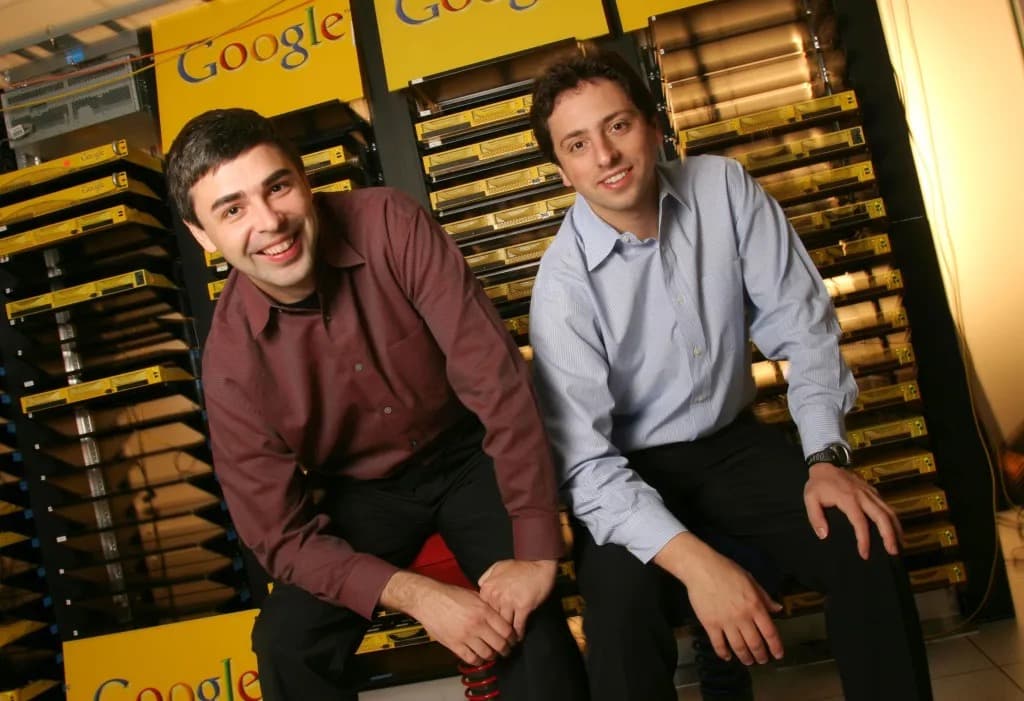
Steve Jobs once told Larry Page that the only way to run a company was to strip it down to almost nothing, according to Fortune, timed to the 22nd anniversary of Google's August 19, 2004 IPO. In 2011, near the end of his life, Jobs told Page the main thing he stressed was focus, asking him what the five products were that he actually wanted to focus on and telling him to get rid of the rest because they were dragging the company down.
Page took the advice seriously at first, steering employees toward Android and Google Plus and away from side projects. But he eventually came to disagree with the philosophy entirely. By 2014 he was telling people it seemed kind of stupid to cap a company as large as Google at five initiatives, especially when ventures in areas like energy, telecommunications, and transportation could end up connected to each other in ways a narrow focus would miss.
That disagreement helped push Page and Sergey Brin toward creating Alphabet, a parent company structure built to hold Google's sprawling ventures under one roof, everything from glucose monitoring contact lenses to AI research through DeepMind. The founders never market tested the Alphabet name, on the belief that it needed to resonate with employees and investors rather than with consumers.
Two decades after that IPO, the bet on breadth over narrow focus looks to have paid off. Alphabet is now a $1.9 trillion company and topped Fortune's list of most innovative companies, a scale that would have been hard to reach under the five product ceiling Jobs once urged Page to set.