
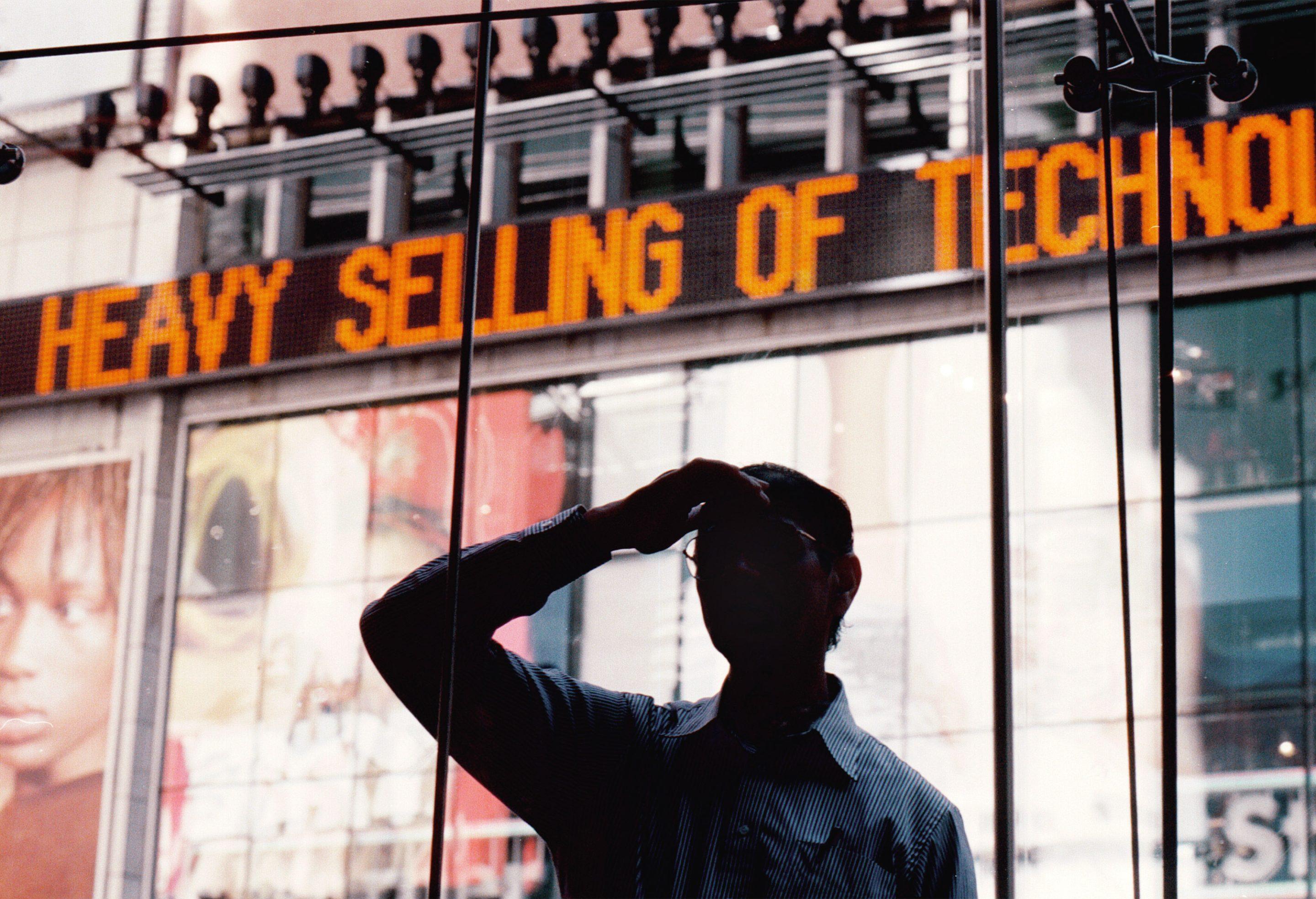
U.S. stocks cratered on Thursday, with the Nasdaq sliding roughly 5% and the S&P 500 falling nearly 4% by early afternoon. The Dow Jones Industrial Average shed about 2.9%, or more than 1,500 points, while the S&P 500 dropped as low as 7,394.49, below its Election Day close. The selling was most severe in artificial intelligence and semiconductor names: the Philadelphia Semiconductor Index tumbled about 9.75% and briefly fell 11%, on pace for its worst single-day decline since March 2020. AMD and Micron each lost roughly 15%, and Nvidia sank almost 9%.
The rout arrived just one day after markets had celebrated the midterm results. On Wednesday, the Dow had surged 1,569 points, or 3%, its strongest post-midterm election performance in 44 years. The S&P 500 climbed 1.6% to 7,688.62, oil plunged more than 8%, and investors appeared to bet that a divided government would produce steadier policy. By Thursday, however, U.S. stocks had given up roughly $3 trillion in market value, and the Dow was headed for its worst second trading day after a midterm election in data going back to 1896.
One force behind the reversal is growing political pressure on the AI infrastructure build-out. Voters approved 41 ballot measures aimed at slowing data center construction, with most passing, especially in Ohio. On Thursday, Vistra plunged 14% and Vertiv fell 13% on fears of moratoriums, while smaller AI cloud providers such as CoreWeave also took heavy hits. A permitting slowdown in Texas would hurt operators like CoreWeave before reaching the hyperscalers that are their biggest customers. Some analysts argued the political pushback could let air out of an AI bubble without fully popping it.