
The era of data centers getting built anywhere the money wants to go is ending, according to a Morgan Stanley research note covered by Fortune. The bank's August 17 report argues that capital alone no longer clears a site, meaning even the largest checkbooks can no longer simply override local resistance to new facilities.
The numbers behind that capital are enormous. Six major hyperscalers, Microsoft, Amazon, Alphabet, Meta, Oracle, and CoreWeave, are projected to spend roughly $785 billion on capital expenditures this year, a figure Morgan Stanley expects to approach $1 trillion by 2027. Total data center lease commitments across those same companies already exceed $1.2 trillion, and the bank projects a 38 gigawatt US power shortfall between 2026 and 2028.
What has changed, according to the report, is how seriously political and community opposition now factors into underwriting a project. Morgan Stanley frames local pushback as a material development risk that deserves the same scrutiny as land, power, or labor costs, arguing that what used to be treated as a public relations headache has become a genuine strategic constraint on how fast the country can build out AI infrastructure.
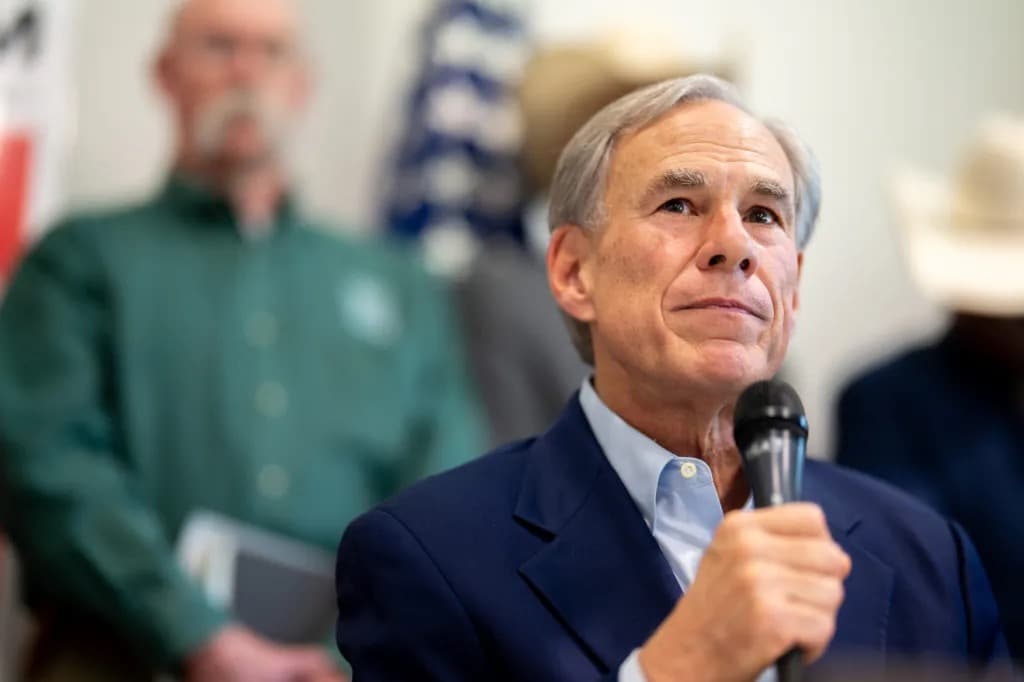
Texas illustrates the shift. Governor Greg Abbott has ordered audits of 474 gigawatts worth of pending interconnection requests, about 90 percent of them tied to data centers, a sign that even a state known for welcoming energy intensive projects is slowing down to take stock. Virginia has moved in a similar direction, introducing new cost sharing rules that push more of the expense of new data center capacity onto developers rather than spreading it across general ratepayers.
Federal policy still broadly favors continued buildout, but Morgan Stanley's report suggests the cumulative weight of local opposition is becoming a real constraint, particularly for the largest, megawatt scale projects that tend to draw the most resistance from the communities around them.